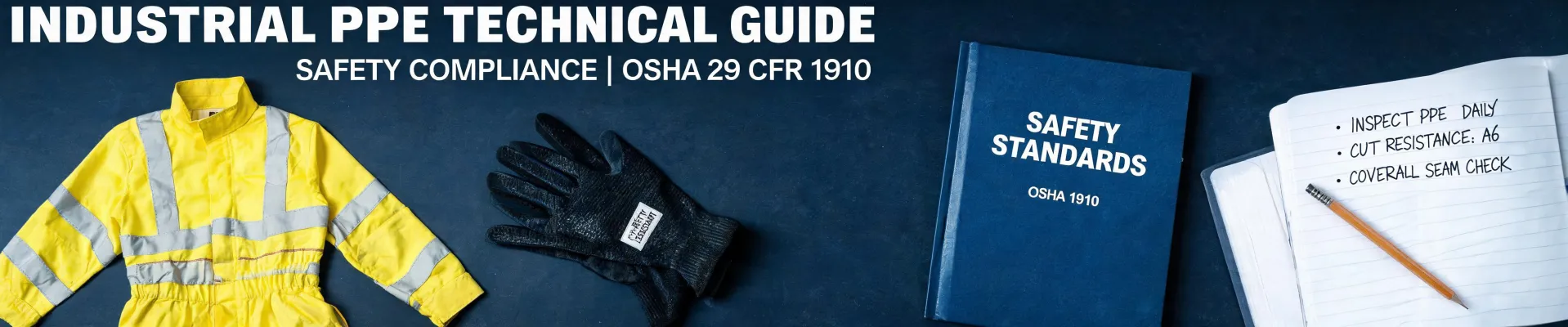
Here's the hard truth after five years of managing PPE procurement for a mid-sized company: most administrative buyers are overpaying by 20-40% simply because they don't know what they don't know about certification, sizing, and compliance. Whether you're sourcing safety shoes for a warehouse near North Dupont Highway in Dover, DE, or bulk orders of nitrile gloves for a medical facility at 3500 South Dupont Highway, the same costly mistakes repeat.
Why I'm Qualified to Tell You This
I'm an office administrator for a 200-person company spread across three locations including a facility near US 13 in Dover, DE. I manage all PPE ordering—roughly $60,000 annually across six vendors. I report to both operations and finance, which means I get heat from both sides when something goes wrong.
When I took over purchasing in 2020, I made almost every mistake you can imagine. That unreliable supplier situation I had made me look terrible to my VP when materials arrived late. The vendor who couldn't provide proper invoicing cost us $2,400 in rejected expenses. And the safety shoe order that didn't meet compliance requirements? That one almost got me fired.
"The 12-point checklist I created after my third mistake has saved us an estimated $8,000 in potential rework."
The 5 Mistakes I Keep Seeing (And Making)
1. Treating All Supplier Specs as Equal
From the outside, a pair of safety boots looks like a pair of safety boots. The reality is that certification standards differ wildly. I once ordered "safety shoes" from a new vendor who claimed ANSI compliance, only to find out during a routine safety audit that they met only the most basic impact resistance—not the puncture resistance our warehouse required.
The fix: every spec gets verified against our specific needs before purchase. I created a simple checklist that maps each job function to required certifications. It's super basic, but it works.
Pro tip: For facilities near industrial zones like North Dupont Highway, your local OSHA inspector may have specific regional requirements. Check before you order.
2. Ignoring the "Small" Differences in Glove Specs
People assume nitrile gloves are nitrile gloves. What they don't see is the massive variation in thickness, chemical resistance ratings, and puncture protection. A vendor once offered me a great price on nitrile gloves, and I assumed they were FSA eligible for our medical department—turns out, not all nitrile gloves qualify.
The keyword "are nitrile gloves FSA eligible" gets searched constantly, and the answer is: it depends on the specific product's intended use. General-purpose gloves typically aren't; medical exam gloves usually are. I learned this the hard way when I submitted a $1,200 reimbursement claim that got rejected.
Now I verify FSA eligibility before purchase. It's saved us way more than the five minutes it takes to check.
3. Buying on Price Alone (The Hidden Cost Trap)
The most frustrating part of price-focused procurement: you think you're saving money, but you're actually spending more. A cheap pair of vinyl gloves might cost $0.05 less per pair, but if they tear twice as often, you're using twice as many. Plus, you're paying for the labor of constant glove changes.
In Q3 2024, I did a side-by-side comparison of three glove suppliers. The cheapest had the highest failure rate and lowest user satisfaction. The mid-priced option actually had the lowest total cost when you factored in usage rates.
If you're ordering for a facility on South Dupont Highway in Dover, freight costs add another layer. A cheaper product from a farther warehouse might cost more shipped than a pricier one from a regional distributor.
4. Assuming "One Size Fits All" for Safety Gear
This one still haunts me. I ordered a bulk shipment of safety glasses based on what seemed like a universal fit. I skipped the sizing verification because it "never matters." That was the one time it mattered. The frames were too narrow for half our crew.
I ate $600 out of department budget on returns plus rush shipping for replacements. Seriously, that was a painful lesson.
The rule I follow now: always get sample sizes before placing bulk orders. Most vendors will send one or two for free if you ask. If they won't, that's a huge red flag.
5. Skipping Local Compliance Verification
You'd think federal standards are federal standards. But local enforcement can vary. A supplier might say their products meet OSHA requirements, but your local fire marshal or insurance inspector may have additional expectations.
For example, the vinyl fence you see at construction sites? It's not typically considered PPE for fall protection, but I've seen new admins assume it is. Know the difference between perimeter warning and fall arrest equipment.
"I knew I should get written confirmation from our safety officer before ordering, but thought 'what are the odds?' The odds caught up with me when 200 pairs of safety shoes arrived without proper steel toe certification."
What About My Specific Situation?
Here's where the advice gets real: these mistakes apply whether you're at a 20-person shop or a 500-person facility. But the specifics change.
For a facility near North Dupont Highway in Dover, DE, you might be dealing with mixed-use zoning where industrial safety intersects with retail or residential. That means your PPE needs could vary by department—the warehouse team needs different gear than the office staff who just do occasional spot checks.
If you're at 3500 South Dupont Highway, you're in a more industrial corridor. The suppliers that cater to that address might assume you need heavy-duty everything. Verify before you buy.
The Checklist That Saved Me $8,000
After my third major mistake, I created this quick verification list. It's saved us a ton of time and money:
- Map each job role to required certifications (ANSI, OSHA, NFPA)
- Get samples or specs sheets for every product category
- Check FSA/HSA eligibility if you're purchasing for medical use
- Verify freight costs: sometimes local suppliers beat online prices
- Confirm return policies and restocking fees
- Get written confirmation on delivery dates
The bottom line: five minutes of verification beats five days of correction. I learned this the hard way so you don't have to.
When This Advice Doesn't Apply
Honestly, if you're a safety professional with 10+ years of experience, most of this is probably review. But for administrative buyers like me who manage PPE as part of a broader purchasing role? These are the traps.
Also, if you're sourcing highly specialized PPE (hazmat suits with specific chemical resistance ratings, for example), the margins for error are much smaller and the stakes higher. In that case, always defer to your safety officer or an industrial hygienist.
Prices mentioned in this article are based on my own experience and public pricing data as of January 2025; verify current rates with your vendors.

Discuss this specification topic
Use the contact form if your team needs a standards crosswalk, datasheet request, or PPE program review related to this article.
Request Follow-Up