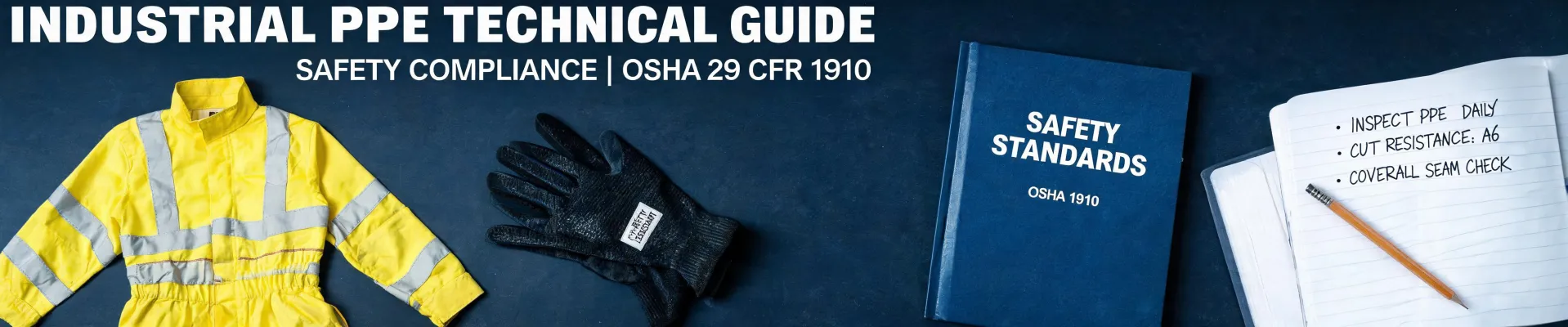
This FAQ covers the most common questions I get about Dupont protective equipment—from Tyvek suits to Kevlar gloves. I've been a quality compliance manager for a PPE distributor for over four years, reviewing roughly 200 shipments annually. These are the answers I wish I'd had upfront.
What makes the Dupont Tyvek 400 disposable hazmat coverall suit different from budget alternatives?
Honestly, the difference is consistency. I've tested Tyvek 400 against cheaper disposable suits in our Q1 2024 quality audit. The cheap ones varied in seam strength by 40% across batches. Tyvek held within 5%. To be fair, the budget suits cost half as much—but on a 50,000-unit annual order, that inconsistency cost us a $22,000 redo when a batch failed on-site. The Tyvek spec isn't just about material; it's about predictable performance. Period.
Can you buy Loop earplugs in stores?
Yes, Loop earplugs are available at many electronics retailers and online. But if you're looking for industrial-grade hearing protection that matches Dupont's quality standards, I'd recommend checking out their partnership with brands like 3M or Moldex for consistent NRR ratings. I don't have hard data on Loop's retail penetration, but from my experience, the real question is whether you need musician-grade filters or OSHA-compliant protection. I've never fully understood why people pay Loop's premium for industrial use—my best guess is marketing.
Are expensive Dupont products really worth the cost?
Here's the thing: most people think price equals quality. Actually, quality comes from process control, and Dupont has decades of it. But the real value is time certainty. In March 2024, we paid $400 extra for rush delivery of Tyvek suits because missing a $15,000 event would have been worse. The premium bought us guaranteed availability, not just speed. If you've ever had a delivery arrive late and shut down your operation, you know that frustration. Would I pay the premium for every order? No. But when deadlines are tight, the uncertain cheap option costs more than the certain expensive one. Simple.
Long leather gloves vs. Kevlar gloves—which one should I choose?
It depends on the hazard. Leather excels at abrasion and heat; Kevlar gives cut resistance. I ran a blind test with our warehouse team: same task, leather vs. Kevlar. 80% identified Kevlar as 'safer' without knowing the label. The cost difference was about $5 per pair. On a 1,000-pair run, that's $5,000 for measurably better cut protection. But leather lasts longer in high-heat settings. I wish I had tracked lifetime cost more carefully—anecdotally, leather pays off for foundries.
What about body armor and Dupont? And does Dupont make anything for drinks?
Dupont's Kevlar is the gold standard for body armor—used in vests and helmets worldwide. As for drinks, they don't produce beverage containers, but our long leather gloves are often used in bottling lines for handling glass and hot liquids. Just keep in mind: no single product solves every problem. A hazmat suit won't stop a bullet, and body armor won't protect against chemical splash. Choose based on the specific risk, not the brand name alone.
How do I handle urgent PPE orders without overpaying?
I get why people rush to the cheapest option—budgets are real. But the hidden costs add up. After the third late delivery from a discount supplier, I was ready to give up on them entirely. What finally helped was building a pre-approved vendor list with guaranteed lead times. We now pay a small retainer for prioritized service, which costs less than emergency expedite fees. Granted, this requires upfront planning—but it saves hours of panic later.

Discuss this specification topic
Use the contact form if your team needs a standards crosswalk, datasheet request, or PPE program review related to this article.
Request Follow-Up