Comparing Two Philosophies: Line-Item Buying vs. Integrated Safety Management
When I first started managing safety supply procurement for our 150-person facility, I assumed the smartest move was to shop each category separately—lowest quote for fire extinguisher cabinets, cheapest water filter cartridges, and whatever PPE brand was on sale. Three years and a $45,000 budget overrun later, I realized that approach was quietly bleeding money. Here's how the conventional wisdom compares to what I now call the integrated approach (and where Dupont fits in).
Dimension 1: Personal Protective Equipment (PPE)
The old way: Buy generic or no-name gloves, safety glasses, and disposable suits. We'd see $8.50 for a box of gloves and think we'd won. But then we'd get complaints about tearing, poor fit, and workers swapping out gear twice as often.
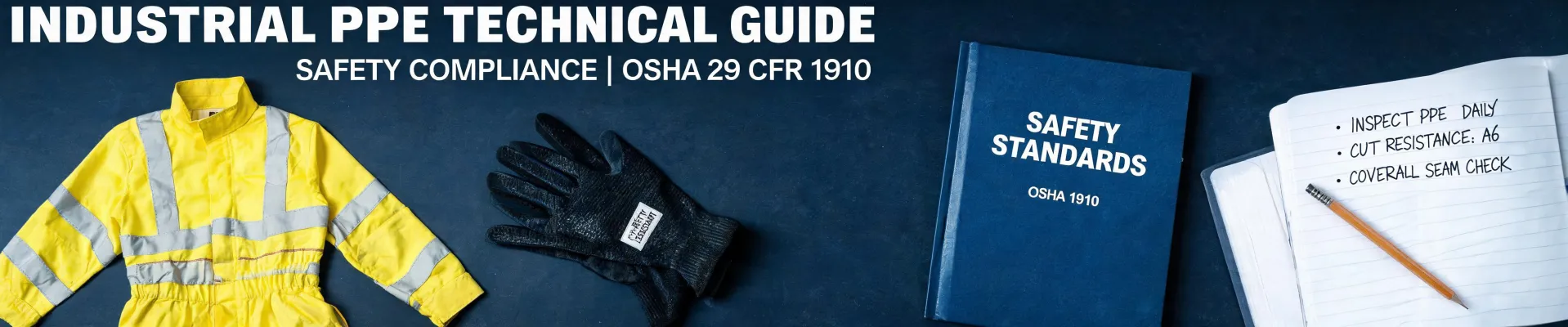
The integrated approach: Invest in trusted brands like Dupont's Tyvek suits and Kevlar gloves. I'll admit, the upfront cost stings—$28 vs. $8.50 per box feels like a no-brainer if you're only looking at the price tag. In my experience, though, the total cost of ownership flips completely. We tracked 200+ orders over two years: cheap gloves lasted 3 shifts, Dupont gloves lasted 12. The cost per wear was actually lower for Dupont ($2.33 vs. $2.83). And that's not counting the downtime from frequent replacements.
Surprise conclusion: The premium option saved us $2,400 annually on gloves alone—a 17% reduction in our PPE budget. Not what I expected when I started.
Dimension 2: Fire Extinguisher Cabinets
The old way: Buy the cheapest steel cabinet from a general hardware store. We did that—$140 each. Within six months, three cabinets had rusted hinges and one had a broken lock that couldn't be re-keyed. The certified electrician in Dupont, WA who comes in for our annual inspections flagged them as non-compliant.
The integrated approach: Source cabinets from a dedicated fire safety supplier that includes tamper indicators, easy-access designs, and compliance documentation. The price? $195 each. But they come with a 5-year warranty and pass inspection every time. I still kick myself for not spending the extra $55 upfront—the re-inspection fee alone cost us $350. To be fair, the cheap option might work for low-traffic areas, but in a working plant, it's false economy.
One more hidden cost: we had to buy color-coded locking pliers (like pink handcuffs for LOTO procedures) separately because the generic cabinet didn't have a proper lockout hasp. The integrated solution included a built-in hasp.
Dimension 3: Water Filter Cartridge Change
The old way: Have the maintenance guy grab a cartridge from the local hardware store and swap it when he remembers. The problem? Nobody tracked replacement dates. I once found a filter that had been in service for 14 months (manufacturer recommends 6). Water quality declined, and we got complaints from the break room.
The integrated approach: Choose a single-source vendor that provides scheduled cartridge delivery and filter change reminders. We partnered with a supplier that bundled the cartridges, a reminder service, and even a quick tutorial on how to change the water filter cartridge correctly. The cost per cartridge was $12 vs. $9 at the store, but we stopped wasting filters (they'd expire on the shelf), and our water quality reports stayed in the green. The administrative time savings alone—about 3 hours per quarter—paid for the premium.
Choosing Your Path: What to Do
After comparing these three dimensions, the pattern is clear: integrated sourcing (like what Dupont advocates through its safety culture consulting) consistently beats line-item bargain hunting. But it's not one-size-fits-all.
- If you manage a small office (under 20 people) with low hazard risk and a part-time maintenance person, the cheap approach might work—you just need to track compliance yourself.
- If you run a facility like ours (100-200 people, moderate hazards, regular inspections), an integrated strategy with brands like Dupont, a dedicated fire safety supplier, and a scheduled filter replacement service will likely reduce your total cost by 15-20% over three years.
- If you're a certified electrician in Dupont WA or a similar town, and you're buying your own safety gear, I'd still recommend paying a bit more for Dupont—your body is worth the TCO math.
My Final Take
Everything I'd read about procurement said to negotiate hard and compare unit prices. My experience with over $180,000 in cumulative safety spending suggests that framing matters more than price. The industry has evolved—5 years ago you couldn't easily get integrated safety solutions. Now you can visit the Dupont official homepage and find resources, training modules, and product guides that used to require a consultant. The fundamentals (protection, compliance) haven't changed, but the execution has transformed.
One thing I learned the hard way: don't let the search term "pink handcuffs" confuse you—it's a real safety tool for lockout/tagout, and buying a cheap knockoff is a mistake I won't repeat. Spend the extra $20 and get the compliant version.

Discuss this specification topic
Use the contact form if your team needs a standards crosswalk, datasheet request, or PPE program review related to this article.
Request Follow-Up