March 2019: The Vans Work Boots That Almost Cost a Toe
I still remember the date: March 12, 2019. A new hire showed up for his first shift on a warehouse floor wearing Vans work boots. Not steel-toe, not slip-resistant—just regular sneakers with a waffle sole. I noticed, but I didn't say anything. I was behind on an order and figured, he'll learn. That was mistake #1.
By the end of the week, he slipped on an oil patch and dropped a 40-pound crate on his foot. No broken bones, thankfully, but a nasty bruise and a near-miss report that I had to explain to upper management. The cost to replace his footwear with proper safety boots? $800 for the batch, plus a week of lost productivity while he recovered. The real cost? My credibility. I've been handling safety equipment orders for eight years now. I've personally made (and documented) 14 significant mistakes, totaling roughly $12,000 in wasted budget. Now I maintain our team's checklist to prevent others from repeating my errors. This is the story of how I learned that quality is not a line item—it's a promise.
The Binary Struggle: Cheap vs. Premium
For years, I went back and forth between generic safety gear and premium brands like MSA Safety. The generic stuff offered 25-30% savings. MSA offered reliability, certifications, and a century of experience. Honestly, the decision kept me up at night. On paper, the cheaper option made sense—our budget was tight. But my gut said we'd lose too much in the long run. I chose the budget route more than once, and every time, it came back to bite me. The turning point wasn't a single disaster—it was the accumulation of small failures that added up to a big lesson.
The Hard Hat with Chin Strap Disaster
In 2021, I ordered a batch of cheap hard hats with chin straps for a construction project. They looked fine on my screen. The price was $15 per unit, compared to $40 for the MSA V-Gard. I approved 50 units, thinking I'd saved the company $1,250. The result came back three months later: the chin straps frayed, the suspension gave out, and workers complained they felt unsafe. We had to replace all 50. That error cost $1,500 in redo plus a two-week delay while we waited for new stock. I still cringe when I think about it.
After the third rejection in Q1 2022, I created our pre-check list. One of the first items: only approve hard hats that meet ANSI Z89.1 and come from a known manufacturer. We switched to MSA Safety V-Gard hard hats with chin straps. The difference was obvious—sturdier shell, better suspension, and the chin strap didn't slip. The best part? No more complaints. Workers actually told me they felt safer. That's the satisfaction you can't put a price on.
The Gas Detector Calibration Fiasco
September 2022 was a rough month. We needed replacement sensors for our Bacharach MSA Safety gas detectors. I found a third-party supplier offering the Bacharach MSA Safety 07-1650 and 19-8038 sensors at 30% off. I ordered 20 units. They looked identical—same packaging, same part numbers. But when we calibrated them, the readings kept drifting. One unit gave a false alarm in a confined space, triggering an evacuation. We lost a full day of work. I sent the sensors to MSA for verification. They were counterfeit. Genuine MSA sensors cost us $2,800 extra, plus the $890 in redo costs and a one-week delay. If I remember correctly, the total loss was around $3,700, though I might be misremembering the exact figure. Lesson learned: only buy authentic parts from authorized distributors, no exceptions.
How Do You Turn Off a Fire Alarm?
I wish this were a joke. In early 2023, a new employee accidentally pulled a fire alarm while trying to open a stuck door. It rang for 20 minutes. The fire department showed up. Clients were in the building for a tour. It was embarrassing. The worst part? Nobody knew how to turn off a fire alarm. We fumbled with the panel, called the building manager, and eventually found the reset key in a drawer nobody had checked. That incident damaged our client's perception of our competence. One of them later told me, 'If you can't handle a fire alarm, how can we trust you with our safety?' Ouch.
I spent the next week researching and writing a clear procedure. According to NFPA 72, fire alarm systems must be tested and maintained regularly, and personnel should be trained on basic operations. We now have a one-page guide posted at every panel. It includes how to turn off a fire alarm, who to call, and what to say. We also added fire alarm response to our onboarding checklist. It's basic stuff, but it took a client complaint to make me do it.
The Checklist That Changed Everything
After the fire alarm incident, I sat down and documented every mistake I'd made since 2017. I tallied 14 significant errors, with a total cost of about $12,000. I created a pre-check list with 27 items. We've caught 47 potential errors using this checklist in the past 18 months. The binary struggle is over—we now standardize on MSA Safety for critical items like gas detectors and hard hats. The extra cost is offset by fewer replacements, fewer incidents, and better worker confidence. For context, a quality hard hat with chin strap from MSA Safety costs around $30–$50, while generic ones can be found for $15–$20. But the difference in protection and durability is significant. Based on publicly listed prices, January 2025.
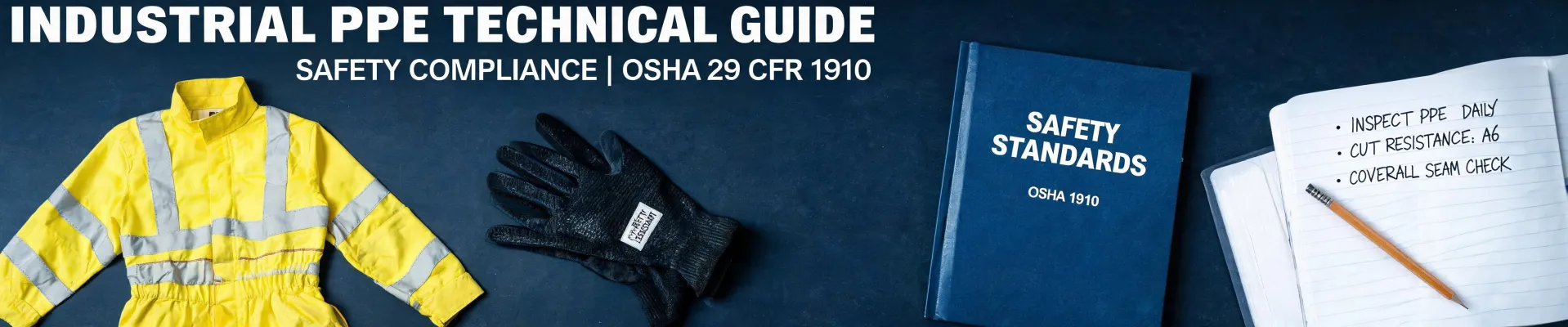
According to OSHA 29 CFR 1910.132, employers must provide PPE that fits properly and is maintained in a reliable condition. The cheapest option is not always the safest.
There's something satisfying about a perfectly executed safety audit. After all the stress and near-misses, seeing our team equipped with reliable gear—that's the payoff. The best part of finally getting our vendor process systematized: no more 3 a.m. worry sessions about whether the order will arrive or whether it's counterfeit.
What I'd Tell My Younger Self
Quality in safety equipment directly affects how clients and workers perceive your commitment to safety. That's a brand image you can't buy back once lost. I learned that the hard way—through a near-miss with Vans work boots, a failed batch of hard hats with chin straps, counterfeit Bacharach MSA Safety 07-1650 sensors, and a fire alarm that nobody knew how to turn off. Don't make the same mistakes I did. Build your checklist, buy authentic, and remember: when it comes to safety, the cheapest option is rarely the smartest one.

Discuss this specification topic
Use the contact form if your team needs a standards crosswalk, datasheet request, or PPE program review related to this article.
Request Follow-Up