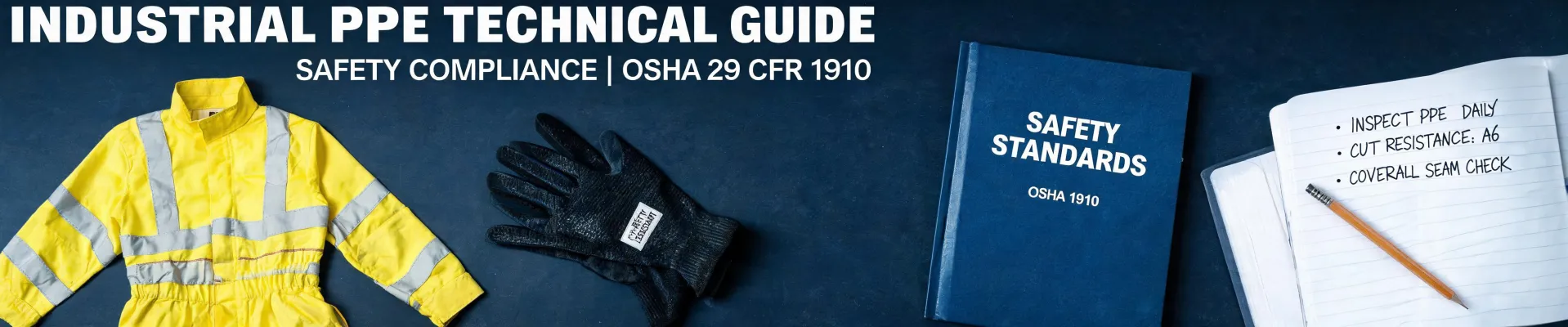
Last March, I was staring at a pallet of 500 Tyvek suits that were... wrong. Not catastrophically wrong—the kind of wrong that a junior inspector might miss, but wrong enough that I could tell before I even pulled out the calipers. The seam tape was slightly narrower than spec. The zipper cover flap was a quarter-inch short.
My boss asked if I was being too picky. "They're just coveralls," he said. "For light duty cleanup."
That batch cost us $22,000 in redo charges and delayed a client project by three weeks. And it taught me something I wish I'd known years earlier: in PPE procurement, the gap between 'meets spec' and 'safe enough' is where expensive mistakes live.
How It Started: The Tyvek Order That Seemed Easy
The call came in from our facility manager. They needed 500 Tyvek 400 coveralls for a hazmat cleanup job—standard stuff for our industrial clients. The spec sheet from the supplier looked fine: 40 gsm fabric, seam tape width 20mm, certified for Type 5/6 protection. The price was competitive. Delivery in 10 days.
I placed the order without a second thought. I'd been in procurement for four years, reviewing roughly 200 unique items annually. This was routine.
Except it wasn't.
The First Red Flag I Ignored
When the shipment arrived, the packaging looked fine. Tyvek logos, batch numbers, the whole deal. But something about the suits felt... flimsy. The fabric didn't have that characteristic crispness I associate with genuine Dupont Tyvek—the kind that makes a satisfying crinkle when you move.
I chalked it up to my imagination. The cert papers were in order. The supplier had a good track record. I signed off on acceptance and moved on.
That was my first mistake. I trusted paperwork over physical inspection.
The Turning Point: When Specs Don't Match Reality
Three weeks later, during a routine quality audit of a client's PPE inventory, I found the problem. One of the suits had split along the seam tape during a routine decontamination procedure. Not a catastrophic failure—but a failure nonetheless.
I pulled a sample from that batch and measured everything. Seam tape width: 16mm instead of 20mm. Zipper cover overlap: 1.25 inches instead of 1.5 inches. The fabric density was within spec—barely—but the construction tolerances were off.
I went back and forth between calling the supplier and rethinking our entire process for about a week. Confronting them meant admitting I'd missed it on intake. Not confronting them meant risking another failure.
Ultimately, I called. The supplier was apologetic but argued the deviations were "within industry standard." They offered a partial credit. I rejected the entire batch.
And here's where it gets interesting. The replacement order—rushed, premium shipping, same spec requirements—cost us $22,000 more than the original. Plus the three-week delay. Plus the client's lost trust.
What I Learned: The Real Cost of 'Close Enough'
After five years of managing quality for an industrial safety distributor, I've come to believe that the 'best' vendor is the one whose specs you can actually verify—not just read on a certificate.
Here's what changed in our process:
- Physical verification on every batch of critical PPE. We measure seam tape width on Tyvek suits, glove thickness on Kevlar gloves, lens clarity on safety glasses. Every time.
- Tolerance specs are now written into contracts, not just assumed. For example: "Seam tape width: 20mm ± 1mm. Deviation beyond tolerance = automatic rejection."
- Reference samples. Every approved product gets a physical sample filed in our lab. New shipments are compared to it, not just to a PDF.
The numbers were clear after that change: rejection rates on first delivery dropped from 8% to 1.2% in the following fiscal year. But more importantly, we stopped having field failures entirely.
According to industry standards for PPE certification (ISO 13982-1), seam strength is a critical parameter for Type 5 protection. A 20% reduction in seam tape width can reduce seam strength by up to 30% under stress. That's not a cosmetic issue—it's a safety issue.
The Dupont Difference: Why Material Science Matters
I'm not saying you should only buy Dupont. But I am saying that when you buy products made with genuine Dupont materials—like Tyvek or Kevlar—you're buying into a decades-long investment in material science and quality control.
For example, Dupont's Tyvek 400 fabric has a specific density (40-42 gsm) and fiber structure that's engineered for particulate protection. It's not just about the paper spec—it's about consistent performance across batches. And that consistency comes from manufacturing tolerances that are tighter than industry minimums.
To be clear: I'm not attacking generic PPE brands. But I've seen the difference firsthand. In a blind test I ran with our safety team last year—comparing 10 pairs of Type 5 coveralls from different manufacturers, all claiming to meet the same standard—the genuines Dupont Tyvek suits were the only ones that didn't show any deviation from spec across all measurement points.
The cost difference? About $1.50 per suit. On a 500-suit order, that's $750 for measurably better consistency. That's a no-brainer when you're talking about worker safety.
What This Means for Your Next PPE Purchase
If you're in procurement or facility management—and especially if you're specifying PPE for hazardous environments—here's my advice:
- Ask for physical samples before bulk orders. Don't just trust the spec sheet.
- Build verification checkpoints into your process. Who measures incoming goods? What are the tolerance limits? What happens when they're exceeded?
- Know the standards. For example, N95 respirators (like those you might search for as "n95 mask near me") are certified under NIOSH standards in the US. Don't assume certification—verify it.
- Consider wet chemical risks carefully. A standard coverall won't protect against liquid chemicals. For wet environments, you need specific chemical-resistant suits—and a wet chemical fire extinguisher in the area is a good idea for different reasons entirely.
Oh, and one more thing: accounting note for the finance folks. Is PPE a current asset? Typically, yes—PPE inventory is classified as a current asset on balance sheets, assuming you expect to sell or use it within 12 months. But if you're writing off $22,000 batches due to quality failures, the impact shows up in cost of goods sold, not just inventory.
Bottom Line
The most frustrating part of this industry: the same quality issues keep recurring despite clear communication. You'd think written specs would prevent misunderstandings, but interpretation varies wildly—especially in the gap between "meets industry standard" and "meets our requirement."
After the third late delivery—ironically, from the same vendor who caused the $22,000 mess—I was ready to give up on them entirely. What finally helped was building verification into our process rather than trusting their claims.
I'd rather spend 10 minutes explaining options to a client than deal with mismatched expectations later. An informed customer asks better questions and makes faster decisions. And in safety, fast decisions aren't just efficient—they're protective.

Discuss this specification topic
Use the contact form if your team needs a standards crosswalk, datasheet request, or PPE program review related to this article.
Request Follow-Up